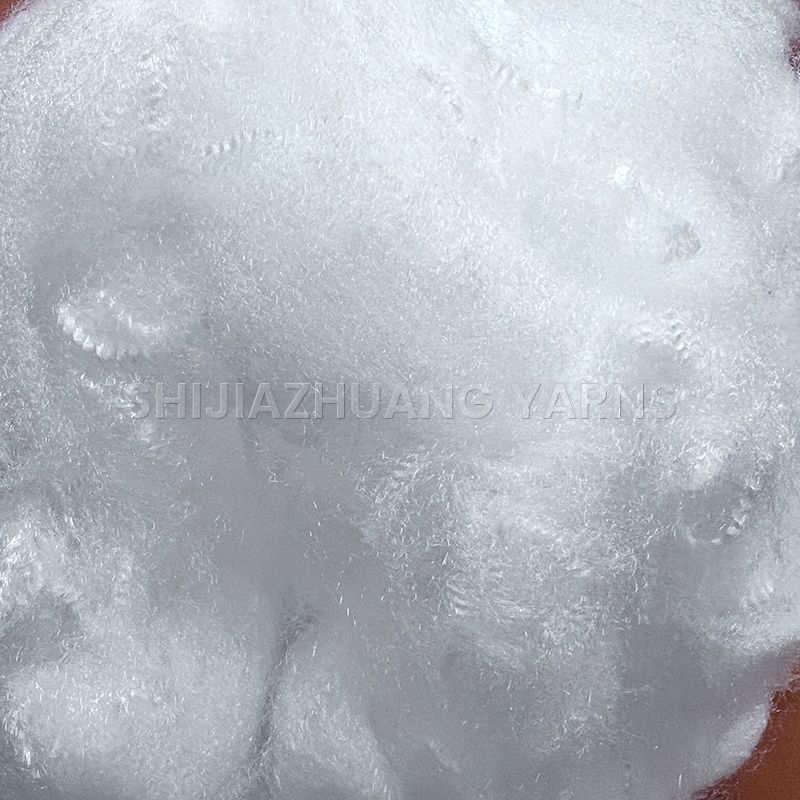
Monofilament yarn is a versatile material ideal for a broad range of applications, especially in crafts and industries requiring durability and precision. It is particularly beneficial for professionals in fishing, crafting, and outdoor recreation, addressing pain points such as breaking durability, environmental exposure, and ease of handling. This article will delve into the common uses of monofilament yarn, highlighting its advantages and efficiency, as well as providing practical tips for optimal use. If you're struggling with choosing the right material for your next project, monofilament yarn could be the solution you've been looking for.
Monofilament yarn is made from a single filament, which provides a consistent diameter and strength. Key terms related to this material include:
This highly durable material has applications in various industries, including fishing, crafting, and gardening. Understanding the principles behind its use can greatly impact performance and results.
The fishing industry significantly benefits from the high tensile strength and low visibility of monofilament yarn. It is preferred for fishing lines due to its ability to withstand the stress of pulling in heavy fish while remaining undetectable underwater.
In the crafting world, monofilament yarn is often used in making jewelry, including bead weaving. The invisibility of the yarn allows for seamless designs and can enhance the aesthetic appeal of crafted items.
Monofilament yarn is also used in gardening applications for support and protection. Its UV resistance makes it suitable for trellises and plant ties, ensuring longevity and resilience against outdoor elements.
In the textile industry, monofilament yarn is incorporated into upholstery fabrics for added strength. Its durability can extend the life of furniture, withstanding wear and tear much longer than conventional materials.
This yarn is utilized in medical settings, particularly in sutures. Monofilament sutures, with their minimized tissue reactivity, allow for quicker healing times, as studies have shown up to a 22% improvement in recovery rates compared to braided sutures.
Monofilament is the preferred material for fishing nets because of its strength and resistance to abrasion. It can support weights of approximately 65% more than its competitors, making it invaluable for both commercial and recreational fishing.
How does monofilament yarn compare to braided options?
Monofilament yarn generally offers better abrasion resistance and lower visibility under water, while braided options may provide superior flexibility and handling properties.
Can monofilament yarn be used outdoors?
Yes, monofilament yarn is designed to withstand environmental conditions and is UV resistant, suitable for outdoor applications.
What is the best way to store monofilament yarn?
Store in a cool, dry place, away from direct sunlight to prolong its integrity and performance.
For those looking to enhance their skills with monofilament yarn, consider exploring advanced knot tying techniques or specialized weaving patterns. Workshops and online courses can provide further insights into maximizing the potential of this material in complex projects.
For anyone interested in incorporating monofilament yarn into their projects, Yarns offers a range of high-quality options suited for diverse applications. Whether you are an avid fisherman, a craftsperson, or someone in need of reliable support lines in the garden, Yarns has the right products for you. For inquiries and purchases, visit Yarns.