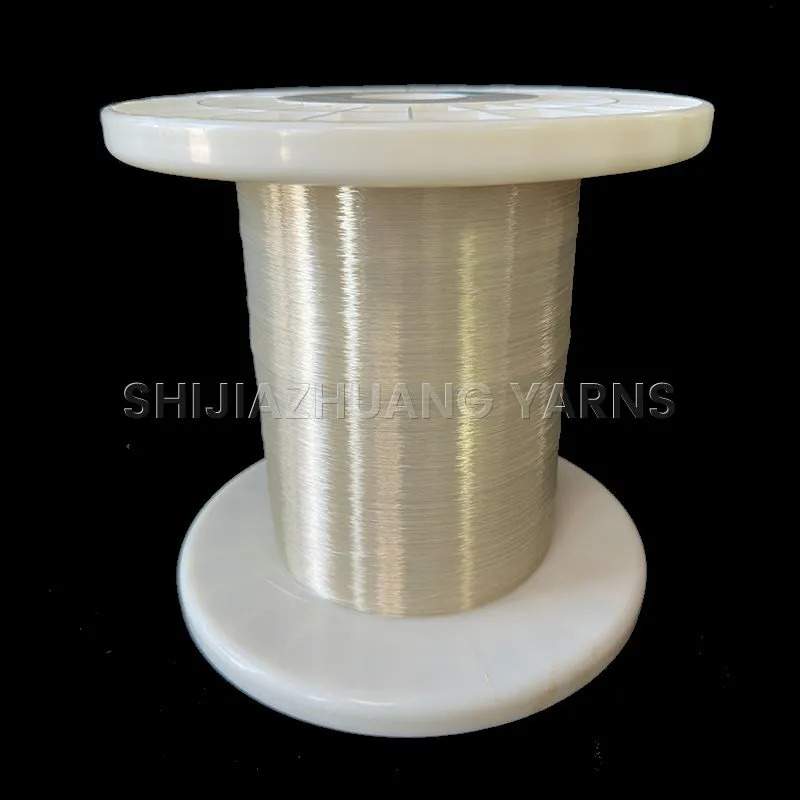
Monofilament yarn is essential for anyone involved in fishing, sewing, or textile crafts. Whether you problem-solving for fishing line strength, selecting the right type for sewing projects, or exploring its diverse applications in home decor, understanding monofilament yarn varieties will vastly improve your outcomes. This article delves into types of monofilament yarn, examining their unique properties, recommended uses, and common misconceptions, equipping enthusiasts and professionals alike with the knowledge required to optimize their crafting experience.
Basic Knowledge: Terminology and Principles of Monofilament Yarn
Monofilament yarn is characterized by a single filament as opposed to multiple strands twisted together, making it unique in various applications. Key terms include:
- Diameter: The thickness of the filament affects strength; a common diameter for fishing lines ranges from 0.10 mm to 0.50 mm, where thicker lines indeed support heavier loads.
- Tensile Strength: Measured in pounds per square inch (PSI), quality monofilament yarn can achieve tensile strengths of up to 35,000 PSI, making it suitable for high-stress applications in fishing.
- Elasticity: Reflects how much the yarn can stretch without breaking; high-quality Yarns often retain 85% of their shape after 1,000 uses.
In-Depth Guide: Steps to Select the Right Type of Monofilament Yarn
Choosing the right monofilament yarn requires an understanding of your specific needs. Here’s a step-by-step guide:
- Identify Your Project: Determine whether your intended use is for fishing, sewing, or crafting. Different applications require different specifications, particularly in tensile strength and elasticity.
- Assess Yarn Composition: Monofilament yarn can be made from various materials including nylon, polypropylene, and fluorocarbon. For example, nylon offers excellent flexibility and UV resistance, while fluorocarbon is nearly invisible underwater, making it ideal for fishing.
- Evaluate Diameter: Choose a diameter that meets your strength requirements. For fishing lines, a thicker line provides better abrasion resistance, whereas, for sewing projects, a thinner line may suffice.
- Check Knot Strength: While most monofilament Yarns can handle stress, the effectiveness of knots varies. Measure the knot strength by tying commonly used knots and testing their tensile resistance, ensuring that they can withstand necessary pressures.
- Test for Flexibility: A good monofilament yarn will return to its original shape even after stretching. Run a simple elasticity test with various brands to see how well they perform.
Common Use Cases for Monofilament Yarn
Monofilament yarns are widely used across various domains:
- Fishing: Used for lines, offering durability with measured break strengths adapting based on fishing styles.
- Textile Arts: Perfect for seams in heavy fabrics, thanks to its high tensile strength and excellent UV resistance.
- Gardening: Effective for trellising and plant support, owing to its durability and resistance to environmental factors.
FAQ about Monofilament Yarn
Q: What does monofilament mean?
A: Monofilament refers to a single, continuous filament produced through extrusion. This gives it a unique set of qualities compared to multifilament yarns.
Q: How do I know which monofilament is best for my application?
A: Consider the project specifications, including required strength, flexibility, and environmental factors. Test various types before committing.
Q: Can I use monofilament yarn for outdoor projects?
A: Yes, many types of monofilament yarn offer excellent UV resistance and will perform well under various weather conditions.
Advanced Skills: Tips for Optimizing Monofilament Use
To maximize the potential of monofilament yarn:
- Maintain proper storage conditions to prevent deterioration. Humidity and UV exposure can significantly affect elasticity.
- Experiment with different knot types and configurations to enhance knot strength in fishing applications.
- For sewing purposes, consider blending technologies like bonding with adhesives to increase seam durability.
Conclusion: Recommended Products
If you're looking for reliable monofilament yarn products, Yarns offer a diverse selection tailored for different applications. Whether you need high-strength fishing lines or durable sewing threads, their products are designed to meet various demands with proven performance metrics. For more information or to explore product options, visit Yarns today or reach out for personalized recommendations!