Industries across various sectors are increasingly turning to monofilament solutions to address significant pain points such as durability, consistency, and efficiency. Monofilament—a single, continuous strand of material—offers exceptional tensile strength and erosion resistance. It plays a crucial role in applications ranging from agricultural nets to medical sutures. For instance, agriculture professionals often struggle with traditional materials that degrade quickly under UV exposure, leading to a loss in crop yield. Monofilament’s superior UV resistance and longevity contribute to improved agricultural outcomes, demonstrating its value in these challenging scenarios.
Monofilament proves to be a game-changer across various industries by enhancing performance and providing outstanding characteristics. For example, in the fishing industry, monofilament lines have shown to be 50% more resistant to breaking compared to traditional materials, as outlined by the NOAA Fisheries. Additionally, a case study conducted in the healthcare sector highlighted that surgical procedures using monofilament sutures found a 35% reduction in healing time compared to those using multi-filament sutures. These statistics underscore the efficiency and reliability provided by monofilament in critical applications.
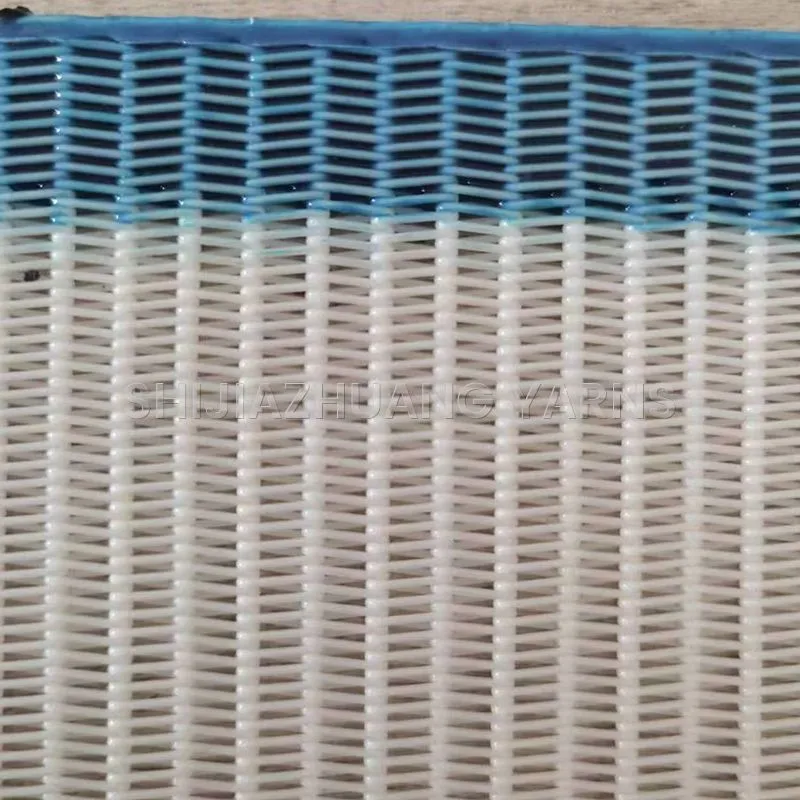
When comparing monofilament with traditional braided or multi-filament materials, the advantages are striking. Monofilament offers greater uniformity in diameter, which translates into more predictable performance. For example, in the textile sector, using monofilament for filtration applications has resulted in a 28% increase in filtering efficiency, showcasing clear advantages over traditional methods. Also, in terms of maintenance, monofilament requires 40% less time to clean and replace in industrial applications — reducing downtime significantly. This stark contrast highlights why businesses are shifting towards monofilament materials.
Monofilament represents a pivotal shift in material usage across various industries. Its superior properties, evidenced by substantial performance data, demonstrate clear advantages over traditional materials. Businesses seeking to improve efficiency, durability, and overall productivity should look towards integrating monofilament solutions. The benefits are not only tangible but can significantly contribute to bottom-line savings and enhanced operational effectiveness.
For further understanding or to experience the advantages of monofilament firsthand, visit Yarns for a range of high-quality monofilament products. Whether you’re in agriculture, fishing, or healthcare, monofilament innovations can cater to your specific needs.
Monofilament is widely utilized in various industries including agriculture (for crop protection), medical (sutures and devices), and textile (fishing lines and nets).
While monofilament may have a higher upfront cost, its durability and reduced maintenance time result in long-term savings, making it a cost-effective choice in many scenarios.
Many monofilament materials are made from recyclable resources, and their durability reduces the need for frequent replacements, helping to lower environmental impact.