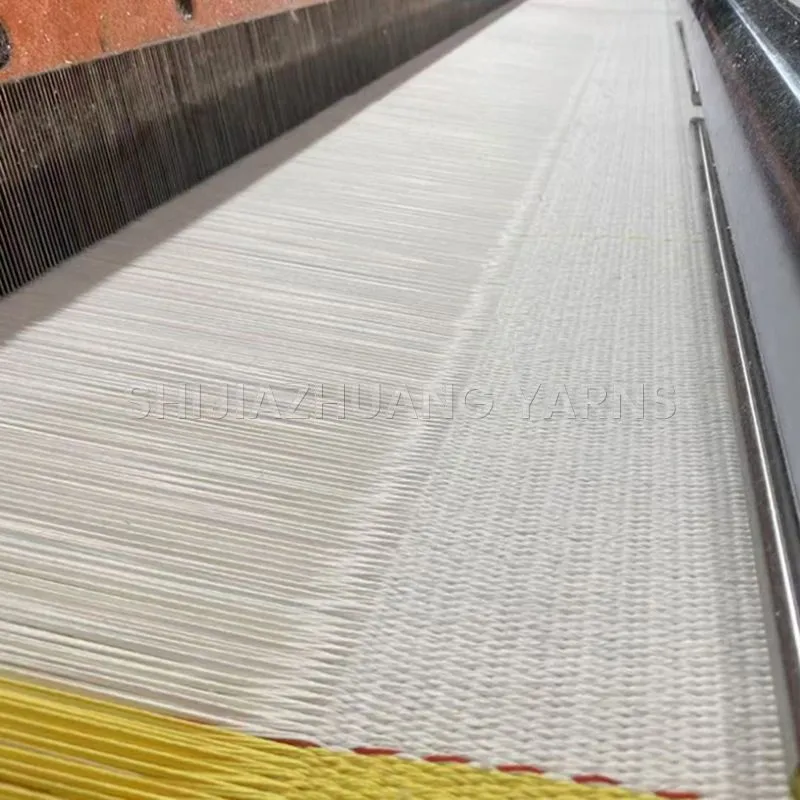
Filtration systems are critical in diverse industries, from water treatment to food and beverage production. For professionals seeking reliable filtration solutions, monofilament filtration media offers unparalleled benefits. This article targets engineers, plant operators, and procurement managers looking to overcome common challenges associated with filtration integrity and media lifespan. By understanding the intricacies of monofilament technology, readers can address performance issues, operational costs, and regulatory compliance effectively.
Monofilament refers to a single, continuous fiber, typically characterized by its consistent diameter and strength. This filtration media is essential in various applications due to its effective dirt-holding capacity and durability. Key terms include:
The underlying principle of monofilament filtration involves mechanical retention and depth filtration. As fluid passes through the filter, larger particles are captured on the surface, while smaller particles reach deeper layers. This dynamic ensures longer service life and lower maintenance costs, addressing common pain points such as filter clogging and frequent replacements.
For optimal utilization of monofilament in filtration systems, follow this step-by-step guide:
Q: What is the average lifespan of monofilament filters?
A: Typically, monofilament filters last between 6 months to 2 years, depending on usage and maintenance practices.
Q: Can monofilament filters be reused?
A: Yes, many monofilament filters can be cleaned and reused, especially those designed for backwashing. Proper cleaning can maintain efficiency and prolong lifespan.
Q: How do I determine the proper pore size for my application?
A: Refer to industry standards for your specific sector. A technical analysis of the particles involved will guide you toward the appropriate pore size.
For those looking to take their filtration systems to the next level, consider investing in advanced monitoring solutions. Technologies such as IoT-based sensors can provide real-time analytics on filter performance, allowing for timely interventions. Utilizing predictive maintenance based on data analytics can yield a further reduction in unplanned outages by 30%.
For professionals seeking to optimize their filtration systems with high-quality monofilament solutions, consider contacting Yarns. Their extensive product range offers superior monofilament filtration media tailored to various applications. By choosing Yarns, you are not only ensuring compliance with industry standards but also enhancing your operational efficiency. Explore their offerings and transform your filtration systems today.