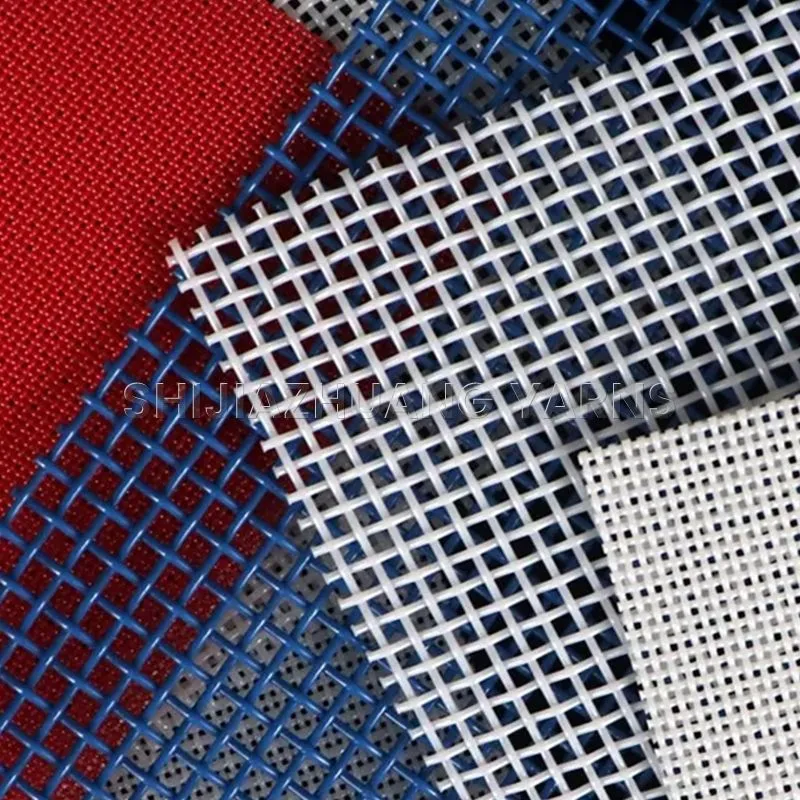
Polyester monofilament is a versatile material widely used in various industries due to its strength, durability, and resistance to abrasion. This article serves as a detailed guide for understanding the diverse applications of polyester monofilament, how to select the right type for your needs, and the best practices for usage. Whether you are involved in textiles, fishing lines, or industrial applications, this guide will provide you with actionable insights and resources.
1. Understanding Polyester Monofilament
- Definition: A single, continuous strand of polyester fiber, known for its strength and low moisture absorption.
- Characteristics: Highly durable, resistant to UV light and chemicals, and available in various diameters and colors.
2. Key Applications of Polyester Monofilament
- A. Textile Industry
- Used in production of fabrics, fishing nets, and sports equipment.
- Benefits: Enhances the longevity and strength of products.
- B. Agricultural Applications
- Utilized in crop protection, plant support, and netting.
- Benefits: Provides physical support to plants and protects from pests.
- C. Industrial Uses
- Used in applications such as filtration, rope making, and industrial sewing.
- Benefits: Increases the efficiency and durability of filters and ropes.
- D. Fishing Industry
- Commonly used in fishing lines and nets.
- Benefits: Offers high tensile strength and resistance to wear.
- E. Medical Applications
- Used in sutures and other medical devices.
- Benefits: Biocompatible and highly durable, effective for long-term use.
3. How to Choose the Right Polyester Monofilament
- A. Determine the Application Needs
- Analyze your specific requirements such as diameter, strength, and flexibility.
- B. Assess Environmental Conditions
- Consider factors such as UV exposure, moisture levels, and chemical contact.
- C. Evaluate Cost-Effectiveness
- Look for a balance between price and performance based on your application needs.
4. Best Practices for Using Polyester Monofilament
- A. Proper Storage
- Store in a cool, dry place away from direct sunlight to maintain integrity.
- B. Installation Techniques
- Follow manufacturer guidelines to ensure optimal performance and safety.
- C. Maintenance
- Regularly check for wear and tear in applications to prevent failure.
5. Safety Considerations When Using Polyester Monofilament
- A. Potential Hazards
- Be aware of cutting hazards when working with monofilament lines.
- B. Recommended Safety Equipment
- Use protective gloves and eyewear during handling and installation.
6. Recent Innovations in Polyester Monofilament Technology
- A. Enhanced Materials
- Research is leading to improved formulations that increase strength and reduce weight.
- B. Eco-Friendly Options
- Emerging sustainable polyester monofilaments made from recycled materials.
Conclusion: Maximizing the Benefits of Polyester Monofilament
Implementing the insights from this guide can significantly enhance the performance of your applications involving polyester monofilament. Stay informed about advancements in the material and consistently follow best practices to ensure effectiveness and safety. For further information, visit reputable sources such as FAO or consult industry specialists.